ServicesSiding
Siding Repair and Replacement in Independence
Siding is the jacket your home wears, and small gaps let water into the wall long before you notice anything inside. We repair or replace damaged siding, check what is behind it, and show you photos of every wall we open.
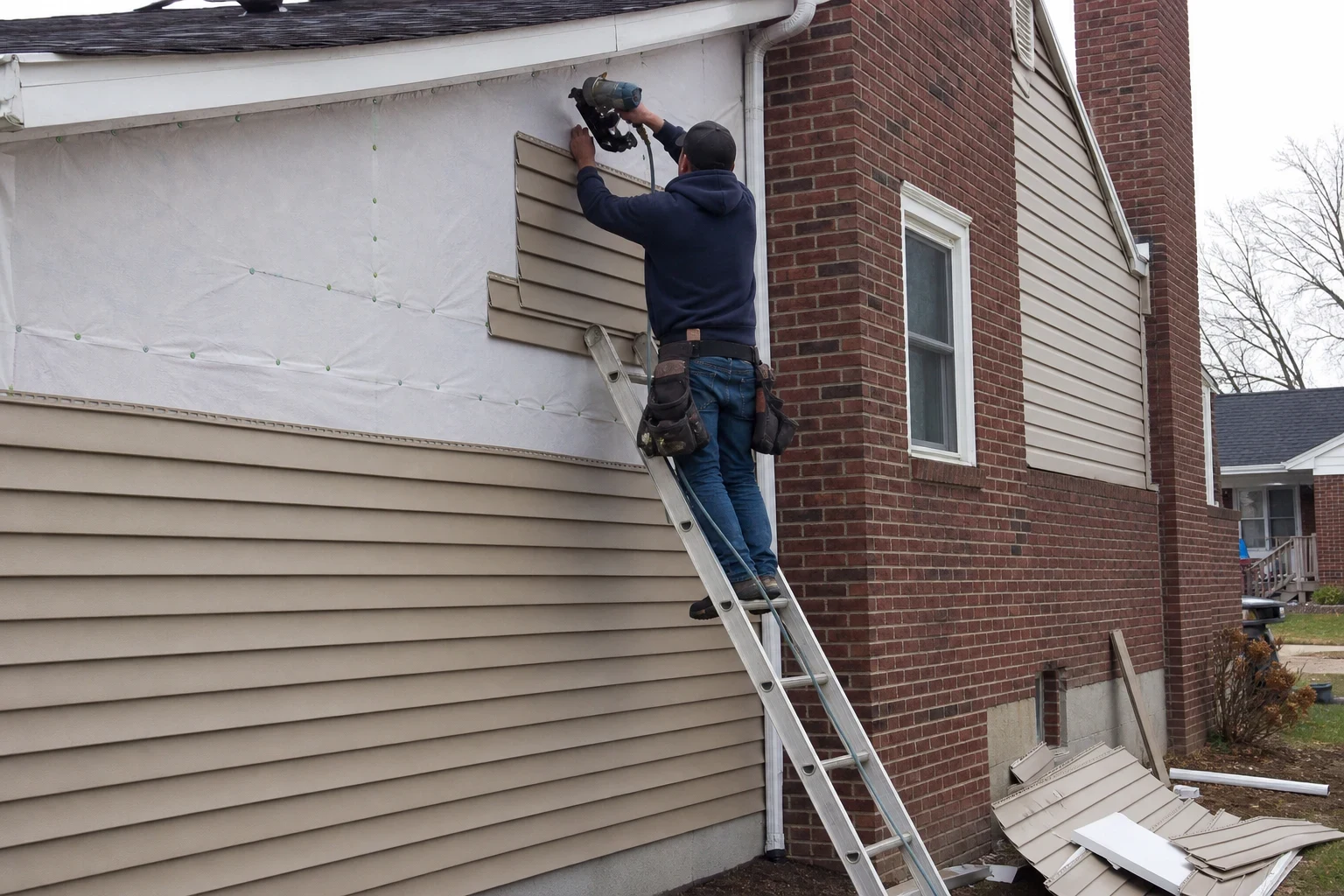
When siding work is the right call
Most siding problems start small: one cracked vinyl panel, a loose corner, a strip of trim that has gone soft. Left alone, those openings let rain and melting snow reach the sheathing underneath. A few panels can often be replaced on their own. When damage is spread across a wall, or the wood behind it has started to rot, replacement usually costs less over time than patching again and again.
We start by looking, not selling. We walk the outside of your home, lift panels where something looks wrong, and take pictures of what we see. You get those pictures with our estimate, so you can judge the repair-or-replace question with the same information we have.
Siding and roofing meet at every wall that rises above a roofline. Because we also handle roof repair and gutters, we look closely at those joints, where many wall leaks actually begin.
What our siding work includes
Panel and trim repair
We swap out cracked, holed or warped panels and replace rotted trim boards. Where we can, we match the profile and color of what is already on your home.
Full siding replacement
When a whole wall or the whole house needs it, we remove the old siding, fix what we find underneath and install new panels. Vinyl is hung loose on its nails so it can move with temperature swings instead of buckling.
Sheathing and housewrap checks
Once panels are off, we check the sheathing for soft spots and the weather barrier for tears. Damaged sections are replaced before new siding goes up, and you see both before anything is closed back in.
Flashing at windows, doors and rooflines
We flash around openings and install kickout flashing where a roof edge meets a wall. That small piece steers water into the gutter instead of down the inside of the wall.
Cleanup and a visual record
Old panels, nails and scraps are hauled away and the yard is swept with a magnet. Your photo set shows the wall before, during and after the work.
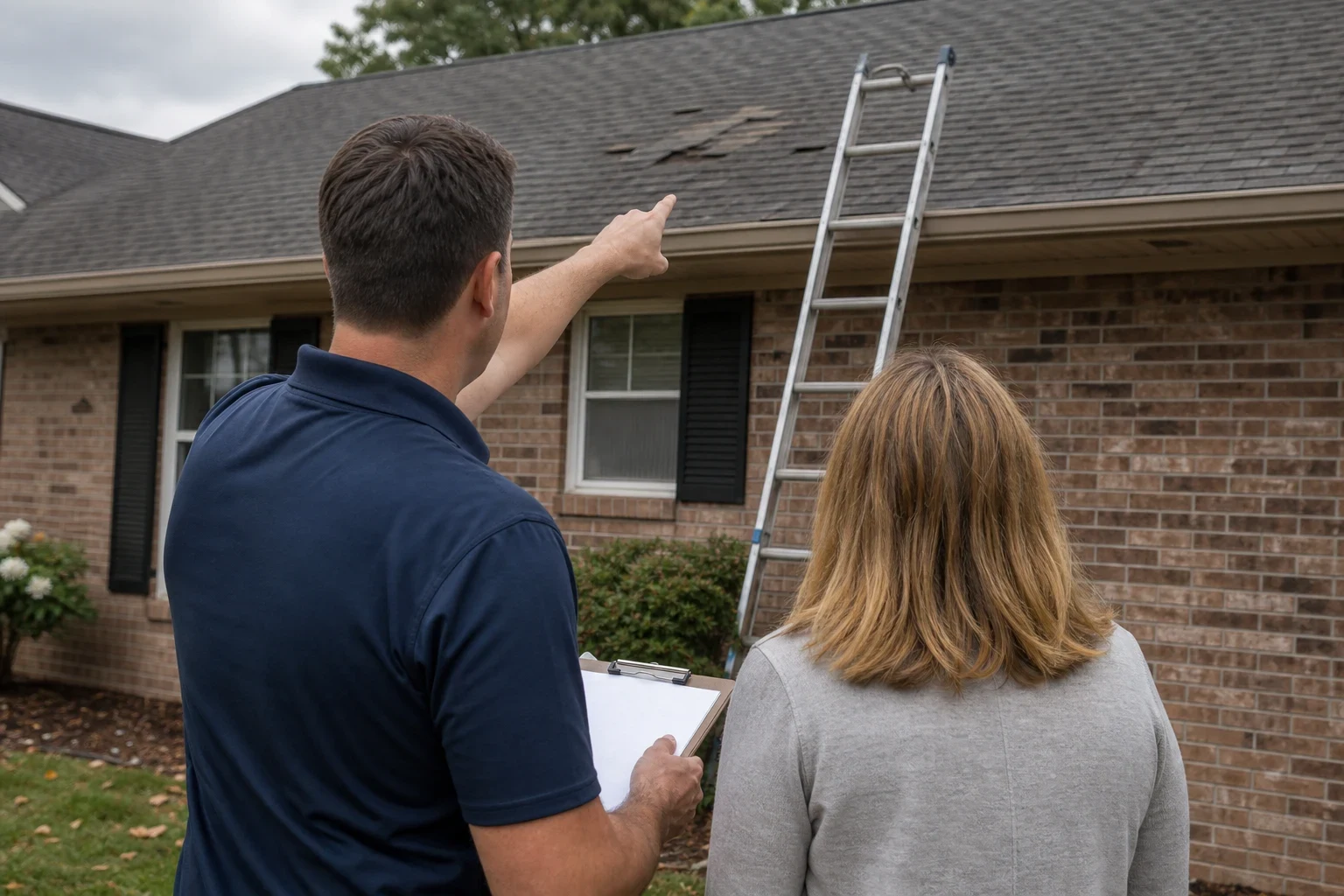
Signs your siding needs attention
- Cracks and holes
- Vinyl gets brittle in hard cold, and a stray ball or hailstone can split it. Any opening lets water behind the panel.
- Buckling or waviness
- Panels that ripple were often nailed too tight. They can pull loose in the next windstorm.
- Soft or swollen trim
- Press on window trim and corner boards. If wood gives under your thumb, moisture has been getting in for a while.
- Stains below rooflines
- Dark streaks or peeling paint where a roof meets a wall often mean missing kickout flashing. Freeze-thaw winters make that kind of leak worse each year.
- Panels that have come loose
- Gaps at seams or panels flapping in the wind expose the wall underneath and are usually a quick fix if caught early.
- Damp spots inside
- Peeling paint or a musty smell on an outside wall can trace back to failed siding or flashing outside.
How a siding job runs
- 1
Look and document
We walk every side of your home, lift suspect panels and record what is behind them. Nothing gets recommended without a photo to back it up.
- 2
Explain your options
We go over what we found with you and give you a line-item estimate. If a repair will hold, we say so.
- 3
Protect and open the wall
On work day we cover plants and clear the area along the wall. Old siding comes off, and any damaged sheathing or wrap is shown to you and replaced.
- 4
Install and flash
New housewrap, flashing and panels go up, with trim finished around every window and door. If your city requires a permit for the job, we pull it.
- 5
Final check together
Scraps and old panels leave with us, and a rolling magnet goes over the lawn and driveway. Then we stand at each finished wall with you and point out the new flashing and trim. The before-and-after pictures are yours to keep.
What moves the cost of siding
Every estimate is written line by line, so you can see where the money goes. The biggest variable is usually something no one can see until panels come off, which is why we show it to you and talk it over before adding anything.
- Wall area and height
- More square footage means more material and labor. Second-story walls need more ladder or staging work.
- Material choice
- Vinyl, fiber cement and wood each cost differently to buy and to install. We explain how each one holds up so you can weigh price against upkeep.
- Condition behind the panels
- Rotted sheathing or torn housewrap has to be fixed first. If we find it, you see the photos before we do the extra work.
- Trim, openings and details
- Lots of windows, doors and corners mean more cutting, flashing and finish work than a plain wall.
- Color and profile matching
- For repairs, an older or discontinued style can take extra effort to match, or may lead to redoing a full wall so it looks even.
Siding questions we hear often
- Can you replace a few panels without redoing the whole house?
- Often, yes. If the damage is limited and the wall behind it is sound, we replace just those panels. We will tell you if it makes more sense to do a full side.
- Will the new panels match my old siding?
- We try to match profile and color as closely as we can. Siding fades in the sun, so even an exact product can look slightly different at first. We show you samples and talk it through before ordering.
- Do you install new siding over the old siding?
- We prefer to remove old siding so we can see and fix the sheathing. Covering it can hide rot that keeps spreading. Once it is off, we show you exactly what was under there.
- How long does a siding job take?
- A small repair is often finished in part of a day. A full replacement on a typical home usually takes several days, depending on size, weather and what we find underneath.
- My siding was damaged in a storm. Can you help with insurance?
- We can document the damage with clear photos and a written estimate you can share with your insurer. Your adjuster makes the coverage decision, but we explain what we found in plain terms. Our storm damage repair page covers roofs hit by the same storm.
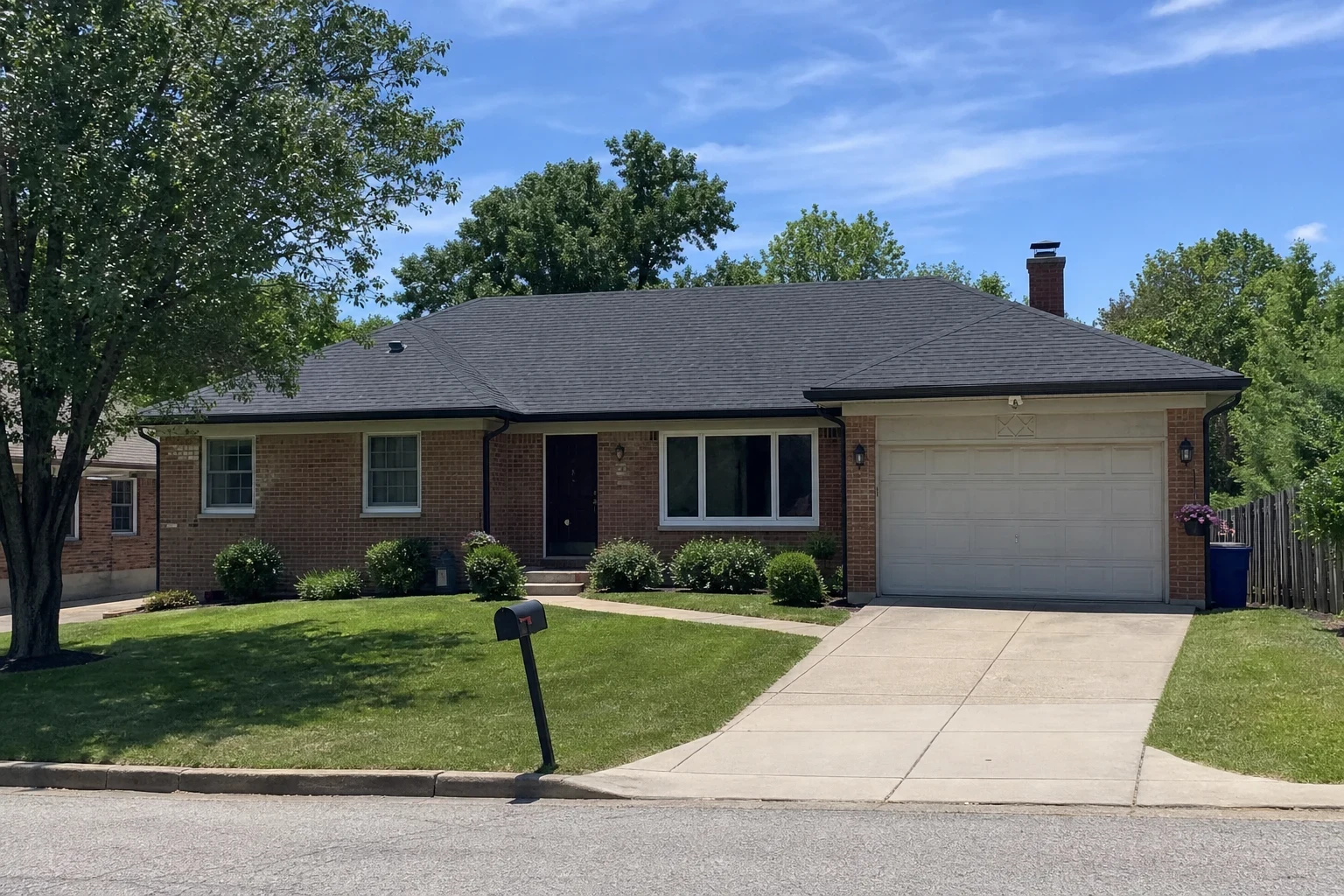
See what is behind your siding
We will look over your walls, point out anything that concerns us and give you a free estimate with clear options. You decide what happens next.